
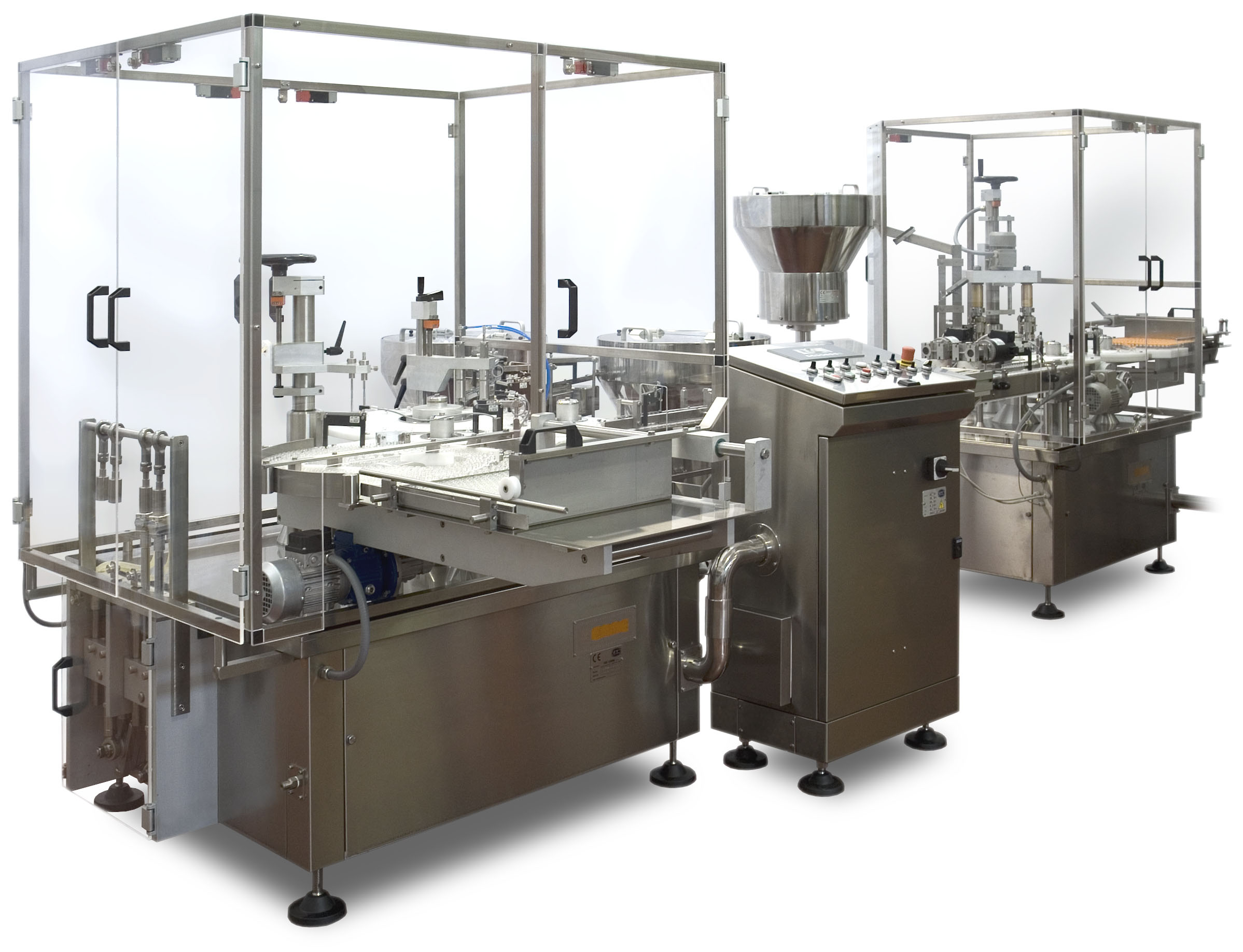
Vial and ampoule filling lines
Filling and closing of vials containing liquids. Glass ampoules require a different closing method: the documented line on this page is for vials, not flame-sealed ampoules. Filling solutions for sterile pharmaceutical manufacturing, configured around the process and facility requirements.
Technical assessment and configuration
A vial line coordinates container transport, dosing, elastomeric stoppering and subsequent cap crimping. Flame-sealed glass ampoules follow a different process and must not be confused with stoppered vials. Neck, diameter and height determine guides, starwheels and closure tooling.
Filling assessment considers volume, liquid sensitivity, foam and residue in needles. Stopper position must suit the next process: full insertion and the position required for lyophilisation are not interchangeable. The cap must secure the stopper without damaging glass or elastomer.
Aseptic production requires definition of container paths, contact-part preparation, transfers and operator interventions. RABS or isolators are assessed with the line and its environment. Washing, depyrogenation and filling are distinct stages; machine installation alone does not establish validation of a sterile process.
Request a technical assessmentAmpoules and vials: different processes
Vials are closed with a rubber stopper and metal cap; glass ampoules use a different sealing process. The documented vial line is not an ampoule filling machine. Ask for a dedicated ampoule assessment.
Models and technical sheets
Frequently asked questions
Can you work on an installed machine?
Yes. To assess the work, we need the make, model, requirements and, where available, photographs or technical documents. Work and spare parts are defined after reviewing the case.
What information is needed for a new application?
Send product details, package dimensions and materials, target output and available space. Samples and drawings help verify compatibility before a proposal is prepared.
Explore also
 01
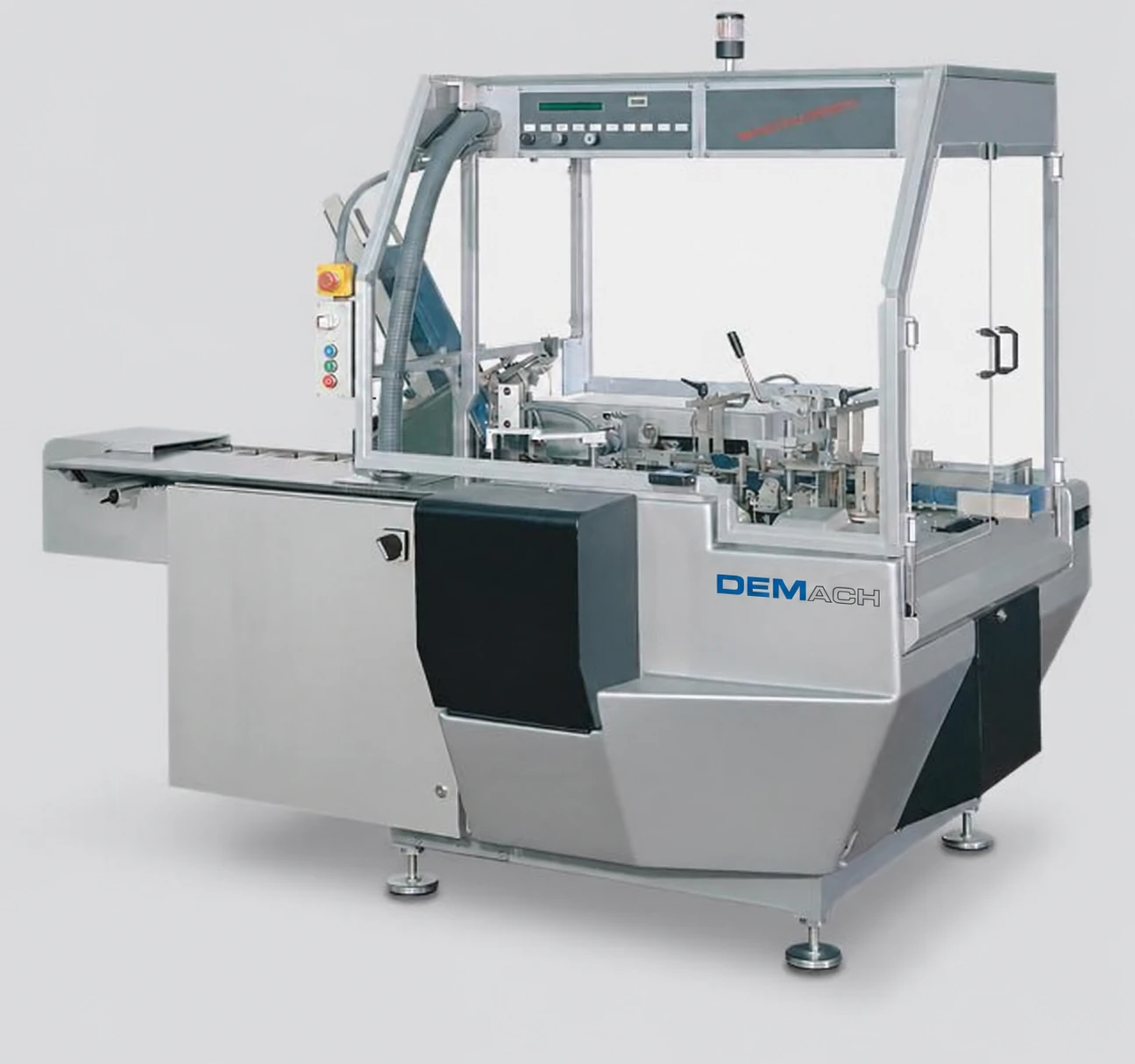
Cartoning machines
Cartoning machines load products into individual folding cartons and close them. They package blisters, bottles, tubes and other products, with configurations tailored to the format and production cycle.
 02
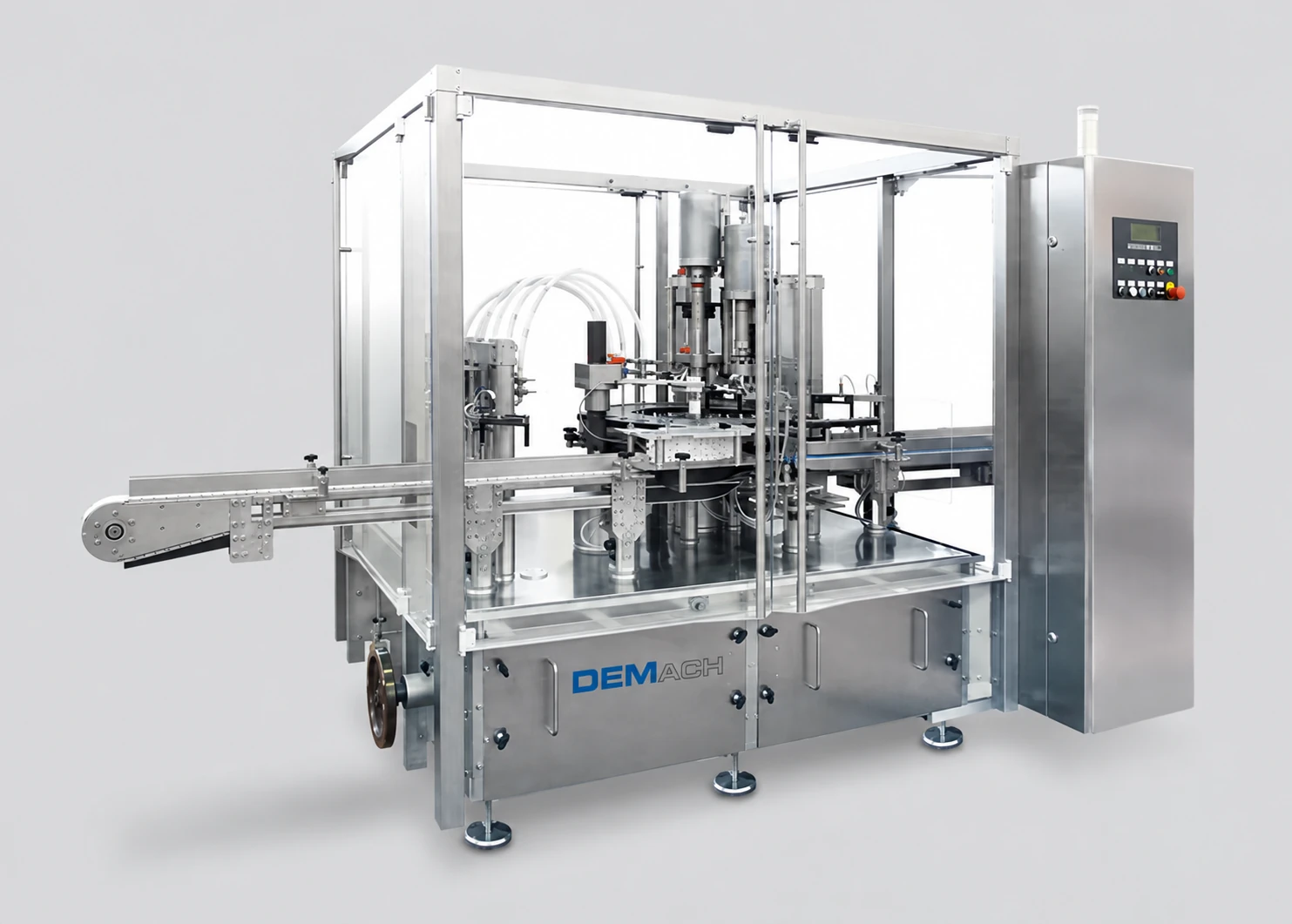
Filling machines
Filling machines dispense products into bottles, jars or other containers. System selection depends on viscosity, product behaviour, fill volume and container characteristics. Liquids, creams and powders require different technical assessments.
 03
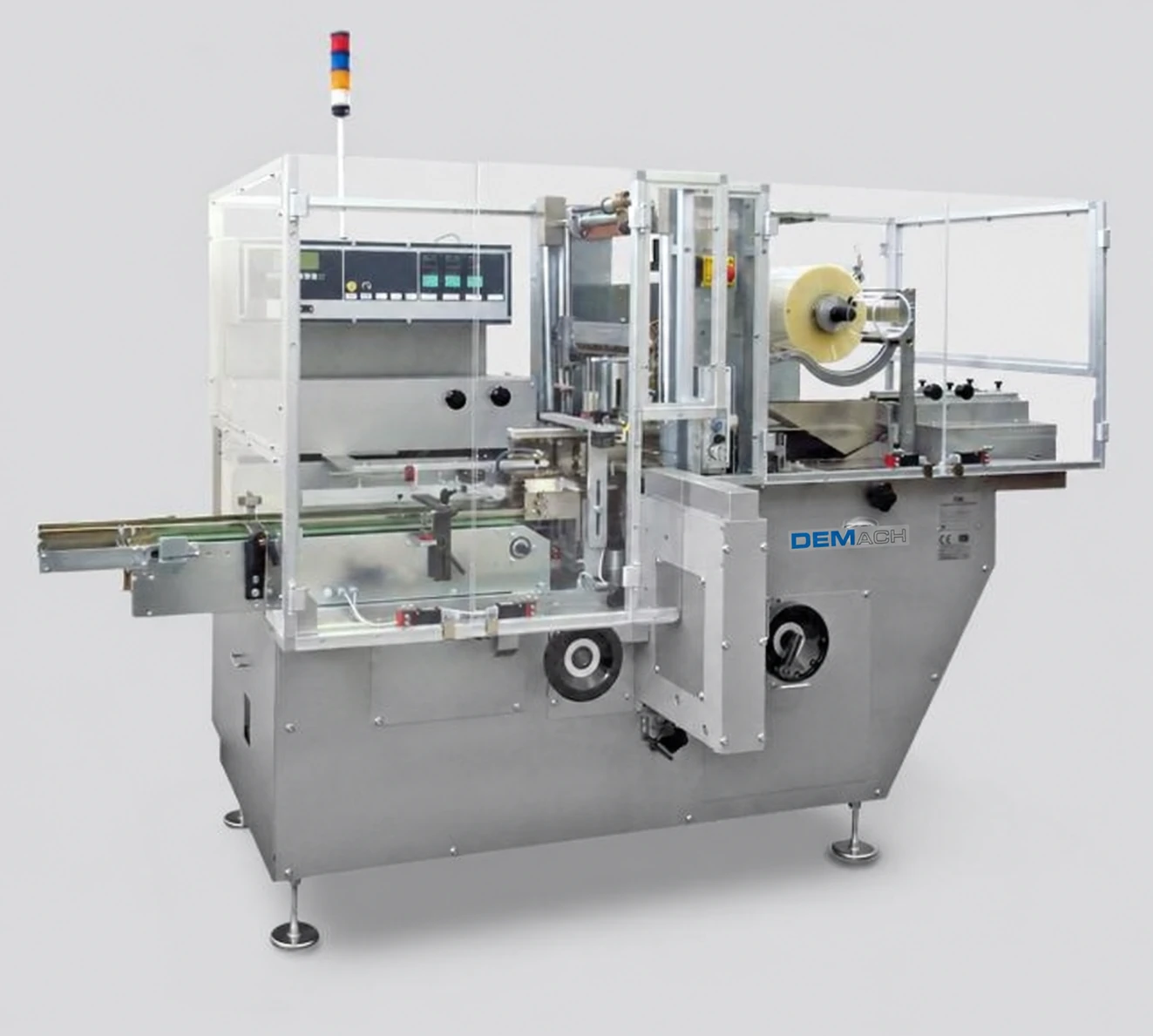
Bundling machines
Bundling machines group multiple packs into one unit, generally using film. Feeding, bundle configuration and any shrink-wrapping stage must match the product and the end-of-line process.
DEMACH
Contact Let’s discuss your project
Tell us what you need to produce or package.
Let’s discuss the solution.